Sutton High Street end of tenancy cleaning guide
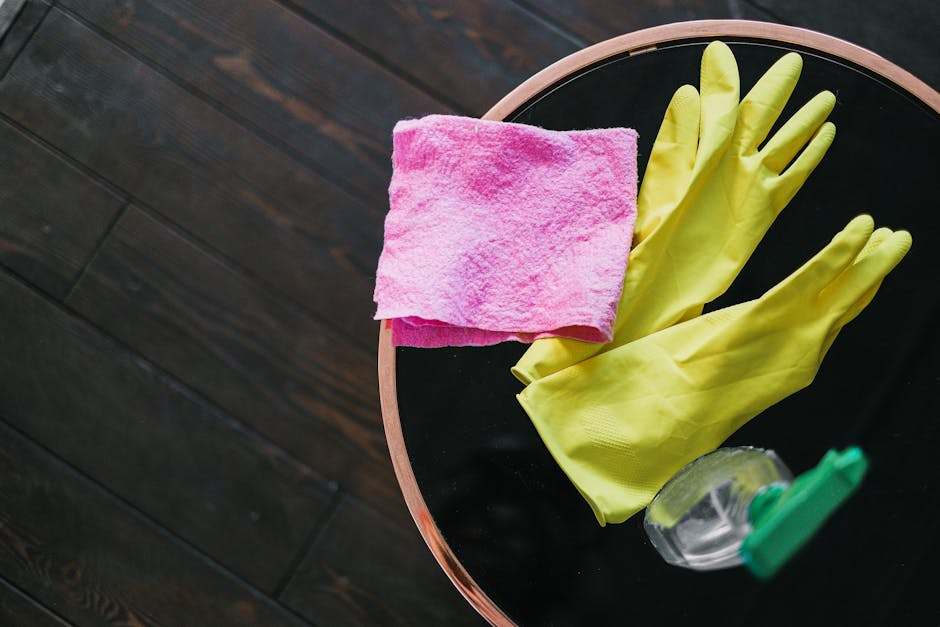
If you are moving out near Sutton High Street, end of tenancy cleaning can feel like the last big hurdle before the keys are handed back. The flat looks empty, the boxes are stacked by the door, and suddenly every mark on the skirting board seems louder than it did a week ago. This Sutton High Street end of tenancy cleaning guide walks you through what landlords and letting agents usually expect, what to clean first, and where people most often lose time. It is practical, straight to the point, and built to help you leave the property in a condition that feels properly finished.
Truth be told, this is not about making a home look spotless for a quick viewing. It is about getting the details right: the grease behind the oven knob, the dust on top of the wardrobe, the lime scale on the bathroom glass, the odd scuff by the hallway wall. Miss enough of those, and a deposit check can become awkward very quickly.
In this guide, you will find a room-by-room approach, common mistakes to avoid, a useful checklist, and a simple comparison of whether to do it yourself or book a professional clean. If you are short on time, keep this open while you pack. It will save you a bit of stress, probably a few hours too.
- Table of contents
- Why Sutton High Street end of tenancy cleaning guide matters
- How Sutton High Street end of tenancy cleaning guide works
- Key benefits and practical advantages
- Who this is for and when it makes sense
- Step-by-step guidance
- Expert tips for better results
- Common mistakes to avoid
- Tools, resources and recommendations
- Law, compliance, standards, or best practice
- Options, methods, or comparison table
- Case study or real-world example
- Practical checklist
- Conclusion
- Frequently asked questions
Why Sutton High Street end of tenancy cleaning guide Matters
End of tenancy cleaning is one of those tasks that looks simple until you start doing it. Then you notice the job is really about detail, consistency, and time. That matters even more in Sutton High Street properties, where apartments, maisonettes, and older homes can collect wear in different ways. A busy household, a long commute, pets, kids, or just everyday living all leave traces.
For tenants, the main reason this matters is obvious: a cleaner handover usually means fewer disputes. For landlords and agents, it is about presenting the property properly for the next occupant. And for anyone between homes, it can make the final day feel much calmer. A clean property is easier to inspect, easier to document, and easier to hand back without awkward back-and-forth.
Let's face it, most deposit arguments are not about one dramatic failure. They usually come from a dozen little things. A missed oven rack. A dusty extractor fan. A bathroom that looks clean at first glance but still has soap residue in the corners. Small things, yes, but they add up.
There is also a local practical angle. Sutton High Street is a busy area with a mix of flat-sharing, rented family homes, and smaller commercial-style buildings nearby. That often means tight move-out dates, limited parking, and not much spare time on the final weekend. A structured plan helps you avoid the rush.
If the property needs more than a surface clean, many people pair tenancy cleaning with specialist help such as deep cleaning or, where carpets are a problem area, carpet cleaning. Those services are especially useful when the place has been lived in for a while and ordinary weekly cleaning no longer cuts it.
How Sutton High Street end of tenancy cleaning guide Works
A good end of tenancy clean follows the property from top to bottom, left to right, room by room. The aim is not simply to make things look tidy. It is to remove built-up dirt from the places people often forget during normal weekly cleaning.
In practice, the process often starts with a quick walk-through. You identify the areas that need the heaviest work, gather the right products, and clean from the highest surfaces down to the floor. That way, dust and debris fall into areas you will clean later. It sounds obvious, but when you are tired and surrounded by boxes, obvious things are the first to go missing.
A typical professional-style process would include:
- Checking the inventory or check-out expectations, if available.
- Removing all belongings and loose rubbish.
- Dusting high points such as shelves, tops of doors, and light fittings.
- Cleaning kitchens and bathrooms thoroughly, because those usually get the closest inspection.
- Wiping switches, handles, frames, skirting boards, and visible marks.
- Vacuuming and mopping floors, including edges and corners.
- Finishing with glass, mirrors, and final spot checks.
If you are dealing with stubborn marks, it is often better to treat them as separate jobs. For example, a burnt oven tray may need a dedicated oven cleaning approach, while a stained sofa or mattress should be handled with specialist care rather than a general spray and wipe. That distinction matters. Use the wrong product on the wrong surface and you can create more damage than dirt.
Some move-outs are straightforward; others are not. A one-bedroom flat with hard flooring and minimal furniture is one thing. A family home with carpets, curtains, and pets is another. A sensible guide should reflect that, because real life rarely arrives in a neat little box.
Key Benefits and Practical Advantages
The biggest benefit is peace of mind, and that sounds soft until you are standing in an empty flat at 9pm wondering whether the bathroom extractor fan counts as "clean enough." A clear method saves time, reduces forgotten areas, and gives you a much better chance of a smooth handover.
- Better deposit protection: Thorough cleaning reduces the chance of avoidable charges for cleaning-related issues.
- Less last-minute stress: A plan keeps the job manageable when you are also packing, cleaning, and moving.
- Improved inventory outcome: The property is easier to inspect and compare against the check-in condition.
- Cleaner final impression: Whether you are renting again or leaving a long-term home, a well-kept place always speaks well of you.
- More efficient moving day: You spend less time hunting for cleaning supplies and more time actually moving.
There is a quieter benefit too. Moving out can feel a bit emotionally messy, especially if you have lived somewhere for years. A proper clean gives the place a sense of closure. That is not grand, just true. You notice it when the rooms start to echo and the windows look brighter than they have in months.
For some homes, end of tenancy cleaning overlaps with other services. If you are moving into a new place on the same day, a move-in cleaning plan can help the next property feel ready rather than rushed. If the place is especially dusty or has heavy build-up, one-off cleaning may be a sensible starting point before the final detailed work.
Who This Is For and When It Makes Sense
This guide is for tenants, landlords, letting agents, flat-sharers, and anyone preparing a Sutton High Street property for handover. It is especially useful if you:
- are moving out at the end of a tenancy and want to avoid disputes;
- have limited time between moving dates;
- live in a property with carpets, ovens, or bathroom limescale that needs more than a quick tidy;
- are unsure what "professional standard" actually means in day-to-day terms;
- want to decide whether to clean yourself or book a service.
It also makes sense if your tenancy is ending but the property is still occupied. That is common in shared houses around busy local high streets, where one person leaves before everyone else. In those cases, communication matters as much as cleaning. If each tenant assumes someone else will tackle the oven, the oven usually loses that gamble.
Some people only need help with the hardest jobs. For example, you might manage the kitchen and dusting yourself, but book specialist support for steam carpet cleaning or upholstery cleaning. That can be a sensible middle path when time is limited.
Step-by-Step Guidance
Here is a practical way to tackle the clean without bouncing around the property and missing things.
1. Start with the inventory mindset
Before you clean anything, imagine the property being inspected by someone who has not seen it in weeks. That means looking at hidden areas, not just the obvious surfaces. Check behind doors, under sinks, around taps, inside cupboards, and along edges where dust likes to sit.
2. Clear the space completely
Take out all belongings, bins, old food, loose hangers, and anything tucked behind furniture. Cleaning is always easier when the room is empty. Not glamorous, but true. You can't mop properly around three boxes, a recycling bag, and a lost shoe.
3. Tackle the kitchen first
The kitchen usually needs the most effort. Focus on the oven, hob, extractor, splashback, sink, cupboard doors, fridge, and bin area. Grease builds slowly, then suddenly becomes your whole afternoon.
If the oven is a bad one, clean it before anything else so fumes and drips do not spread to freshly wiped surfaces. For hard grease and burnt residue, a dedicated oven cleaning service can be a real time-saver.
4. Move into bathrooms with detail
Bathrooms need more than a wipe-down. Remove limescale from taps and screens, clean grout lines, wipe behind the toilet, and polish mirrors and glass. Pay close attention to edges around the bath or shower tray, where soap film builds up and water marks hide in plain sight.
5. Work through bedrooms and living areas
Dust skirting boards, light switches, window ledges, wardrobes, and shelves. If there are carpets, vacuum slowly and methodically, especially at the edges. If there are visible stains, treat them properly rather than scrubbing harder and hoping for the best.
Where carpets are a major part of the property's condition, a specialist carpet cleaning treatment can improve the final result a lot. The same goes for items like rugs, sofas, or mattresses that hold odours and embedded dirt.
6. Finish with floors, glass, and final touch points
Vacuum or mop from the furthest corner towards the exit. Then do a final sweep of glass, mirrors, handles, and any spots you touched while cleaning. Doors, handles, and switches are easy to overlook, but they are among the first places people notice during an inspection.
7. Do a final slow walk-through
Stand in each room and look from the doorway first. Then look again from the corner. You will spot the odd smear on glass or a dusty shelf much faster than when you are standing nose-to-wall with the cleaning cloth in your hand.
Expert Tips for Better Results
A few small habits make a huge difference. In our experience, most successful end of tenancy cleans are not about using fancy products. They are about timing, sequence, and not rushing the last 10%.
- Use the right cloth for the surface. Microfibre works well for general dusting, but delicate finishes may need softer materials.
- Let products sit when needed. A spray that needs dwell time is often more effective than scrubbing immediately.
- Clean top to bottom. That way, dust falls where you have not cleaned yet.
- Open windows for airflow. It helps with drying and makes the place feel less stuffy after heavy cleaning.
- Photograph the finished rooms. Not because you expect trouble, but because evidence is useful if questions come up later.
If you have pets, odour control can matter as much as visible cleanliness. A clean-looking room can still hold smells in soft furnishings, especially around corners or under beds. That is where services like pet stain odour removal or mattress cleaning become genuinely helpful.
Here is one small but useful truth: do not leave the hardest room until last. Everyone says they will do the oven at the end. Everyone regrets it.
Common Mistakes to Avoid
Most move-out cleaning problems come from avoidable habits, not from bad intentions. A few of the most common ones:
- Cleaning too late: If you wait until moving day, you will almost always run out of energy.
- Using one product for everything: That sounds efficient, but it is often the reason surfaces end up streaky or damaged.
- Ignoring hidden areas: Under appliances, behind radiators, and above door frames are classic missed spots.
- Forgetting soft furnishings: Curtains, sofas, rugs, and mattresses can hold dust and odours long after the visible surfaces look clean.
- Trying to mask smells instead of removing them: Air freshener is not a substitute for cleaning, annoying as that may be.
- Not checking the tenancy expectations: The actual cleaning requirement may be stricter than a normal domestic clean.
A lot of people also forget communal areas if they are leaving a flat in a shared block. Hallways, shared entrances, and bin stores can affect the impression of the move-out. In some buildings, a communal area cleaning approach is worth considering if those spaces are part of the handover responsibility.
Tools, Resources and Recommendations
You do not need a huge kit, but you do need the basics in good order. A proper cleaning bag usually includes:
- microfibre cloths;
- a vacuum cleaner with attachments;
- a mop and bucket or flat mop system;
- non-abrasive bathroom cleaner;
- degreaser for kitchen surfaces;
- glass cleaner;
- disinfectant or sanitising product where appropriate;
- sponges, scraper tools, and a soft brush;
- bin bags and disposable gloves.
For tougher jobs, it may be worth splitting the work into specialist tasks rather than forcing everything into one session. For example, window cleaning can make a property look far brighter once the main dust has gone. If flooring is damaged or heavily marked, hard floor cleaning can restore a much neater finish than basic mopping alone.
If you are dealing with a very worn property, or one that has not been properly cleaned in a while, consider whether the job has moved beyond normal end of tenancy work. In those cases, services such as domestic cleaning or house cleaning can be useful for routine upkeep before the final specialist clean.
Law, Compliance, Standards, or Best Practice
While the exact expectations for cleaning depend on your tenancy agreement and the condition of the property, UK end of tenancy cleaning is usually judged against reasonableness and the condition at the start of the tenancy. That means your job is normally to return the home to a comparable standard, allowing for fair wear and tear. Not every scuff is your responsibility. Not every mark is a problem. But obvious dirt, grease, and neglected areas usually are.
Best practice is to keep things practical and documented. If the tenancy inventory shows a clean oven, for example, and it is returned with baked-on residue, that can become a dispute. If the property started with pre-existing carpet wear, note that in your own records. Photos, timestamps, and a simple checklist help if there is any disagreement later.
For landlords and agents, using clear standards and consistent check-out procedures is the fairest approach. For tenants, reading the tenancy agreement carefully is essential. If something feels vague, ask before the move-out date. A quick question now is much easier than a long argument after you have already left.
There is also a safety angle. Some cleaning products can irritate skin, eyes, or lungs if used badly. Ventilation, gloves, and sensible product use are not overkill; they are basic good practice. If you are handling heavy-duty work, especially around grease or mould-prone areas, take breaks and do not mix products. Really, just don't.
For more reassurance about how a professional service operates, it can help to review the company's health and safety policy, insurance and safety information, and terms and conditions. Those pages are useful when you are comparing what is included and how the service is handled.
Options, Methods, or Comparison Table
When you are short on time, choosing the right route matters. Here is a straightforward comparison.
| Option | Best for | Pros | Trade-offs |
|---|---|---|---|
| DIY end of tenancy clean | Smaller properties, light dirt, flexible schedule | Lower upfront cost, full control, can work in stages | Time-consuming, easy to miss details, tiring during a move |
| Professional end of tenancy cleaning | Busy moves, larger homes, stricter inventory expectations | Faster turnaround, specialist tools, more thorough finish | Costs more than DIY, needs booking ahead |
| Mixed approach | Most real-world moves | Lets you handle easy tasks and outsource the hard ones | Requires planning and clear division of work |
In many Sutton High Street cases, the mixed approach is the sweet spot. You can clear the space, do a first pass on surfaces, and then bring in help for stubborn areas like carpets, upholstery, or the oven. That keeps costs more manageable without sacrificing quality.
If budget is part of your decision, have a look at pricing and quotes early rather than leaving it until the final week. Even if you decide not to book, it gives you a realistic sense of what the service might save you in time and headache.
Case Study or Real-World Example
A common Sutton High Street scenario goes like this. A couple moves out of a two-bedroom flat after several years. The property looks okay at a glance, but the oven has built-up grease, the bathroom has limescale around the taps, and one bedroom carpet has a couple of noticeable marks near the bed.
They start by clearing everything out two days before the key handover. Good decision. That gives them a full day for cleaning rather than trying to scrub around boxes. They divide the job: one person handles the kitchen and bathroom, the other does dusting, windows, and floors. It is not a perfect, cinematic process. There is tea, there is a brief argument over who used the wrong sponge, and there is one moment where a cupboard shelf is discovered to be far dirtier than expected. Classic.
They finish the main clean, then arrange specialist help for the carpets and oven because those were the areas most likely to be judged closely during checkout. The result is a handover that feels calm instead of rushed. No drama, no "we will need to deduct for this" conversation, and a lot less stress on moving day.
That is really the point of a structured approach. It turns a big, vague task into a few manageable ones. Nothing magical. Just sensible.
Practical Checklist
Use this as a final walk-through before you leave.
- All belongings removed from cupboards, drawers, and shelves.
- Kitchen cleaned, including oven, hob, extractor, sink, and cupboard fronts.
- Bathroom cleaned, with limescale, soap residue, and mirror marks removed.
- All floors vacuumed or mopped, including edges and corners.
- Skirting boards, switches, handles, and frames wiped down.
- Windows, mirrors, and glass surfaces left streak-free.
- Rubbish and recycling removed.
- Soft furnishings checked for stains or odours.
- Any damaged or pre-existing issues noted separately.
- Final photos taken in good light.
If you want a broader reset after a move-out, especially in properties that have seen heavy use, move-out cleaning can be a good fit. It is designed for exactly this sort of transition, when the place needs to be left in a clear, ready state.
Get a free quote today and see how much you can save.
Conclusion
A good Sutton High Street end of tenancy cleaning guide should do one thing above all else: make the move-out feel manageable. If you treat the clean as a sequence of small jobs rather than one giant mess, you are far more likely to finish on time and leave the property in good shape.
Focus on the rooms that matter most, pay attention to hidden details, and do not leave the hardest tasks until the final hour. Whether you clean yourself, book help, or use a mix of both, the goal is the same: a calm handover and a property that looks properly cared for. That is a good feeling, honestly. One of those quiet little wins that makes moving out a bit less painful.
If you need more support with move-out preparation, professional end of tenancy cleaning can take the pressure off and help you focus on the move itself rather than the scrubbing.
Frequently Asked Questions
What does end of tenancy cleaning usually include?
It usually includes a detailed clean of kitchens, bathrooms, floors, surfaces, and hard-to-reach areas. In most cases, the oven, windows, and soft furnishings are also reviewed if they are part of the tenancy expectations.
How clean does a Sutton High Street rental need to be at the end?
The property should generally be returned in a similar condition to the start of the tenancy, allowing for fair wear and tear. That means clean, tidy, and free from obvious dirt, grease, or residue.
Do I need professional cleaning to get my deposit back?
Not always. If the property is already in good shape and you have time, a careful DIY clean may be enough. Professional cleaning is often useful when the property is large, heavily used, or the move is happening fast.
Which room matters most in an end of tenancy clean?
The kitchen usually matters most, especially the oven, hob, extractor, and cupboard fronts. Bathrooms come next, because limescale and soap build-up are easy to notice in inspections.
Should I clean carpets separately?
Yes, if they have visible stains, odours, or heavy traffic wear. Carpet cleaning can make a noticeable difference, especially in bedrooms and living rooms where dirt settles more deeply over time.
What is the biggest mistake tenants make when cleaning out a flat?
Leaving the job too late is probably the biggest mistake. The second biggest is focusing only on visible surfaces and missing hidden areas such as behind appliances, under sinks, and around skirting boards.
Is oven cleaning really necessary?
Usually, yes. Ovens are one of the first things landlords and agents check because grease and burnt residue stand out immediately. A light wipe is rarely enough if the oven has been used regularly.
How long does an end of tenancy clean take?
It depends on the size and condition of the property. A small, tidy flat may take a few hours, while a larger or dirtier home can take much longer. If you are also moving, expect it to take longer than you think. It always does, a bit.
Can I do the clean myself and still meet the standard?
Yes, if you are thorough and methodical. The key is to work room by room, use the right products, and check the small details that often get missed during normal weekly cleaning.
What if there were stains or damage before I moved in?
Keep your own records and photos if you have them. Pre-existing stains, scuffs, or damage should not usually be treated as your responsibility if they were already noted at the start of the tenancy.
What should I do on the final day after cleaning?
Do one last inspection in daylight if possible, empty all bins, take photos, and make sure nothing has been left in cupboards or behind doors. A final slow walk-through can catch the little things.
How do I choose between DIY and professional cleaning?
Think about time, property size, and how strict the inventory is likely to be. If the move is stressful or the property has heavy wear, professional support may be the calmer option. If it is a smaller place and you have time, DIY can work well.
Moving out is rarely elegant, but it does not have to be chaotic. A steady plan, a few decent tools, and a bit of patience go a long way. And once the final room is done, you will feel it immediately - that quiet sense that the job is over and the next chapter can begin.